
Reliable Equipment for Wetlands, Marshes, Soft Ground and Environmental Projects
Wetland construction presents unique challenges that conventional excavators cannot easily overcome. Soft ground conditions, marshes, shallow water areas, and environmentally sensitive zones require specialized equipment capable of maintaining stability and productivity without causing excessive ground disturbance. This is where a 15 ton amphibious excavator becomes an essential solution.
Designed with floating pontoons and low ground pressure technology, a 15 ton swamp excavator can travel across wetlands, marshlands, riverbanks, ponds, and coastal areas where standard crawler excavators may become stuck or unstable. For contractors involved in environmental restoration, water management, dredging, and infrastructure development, amphibious excavators provide a reliable and cost-effective way to complete projects safely and efficiently.
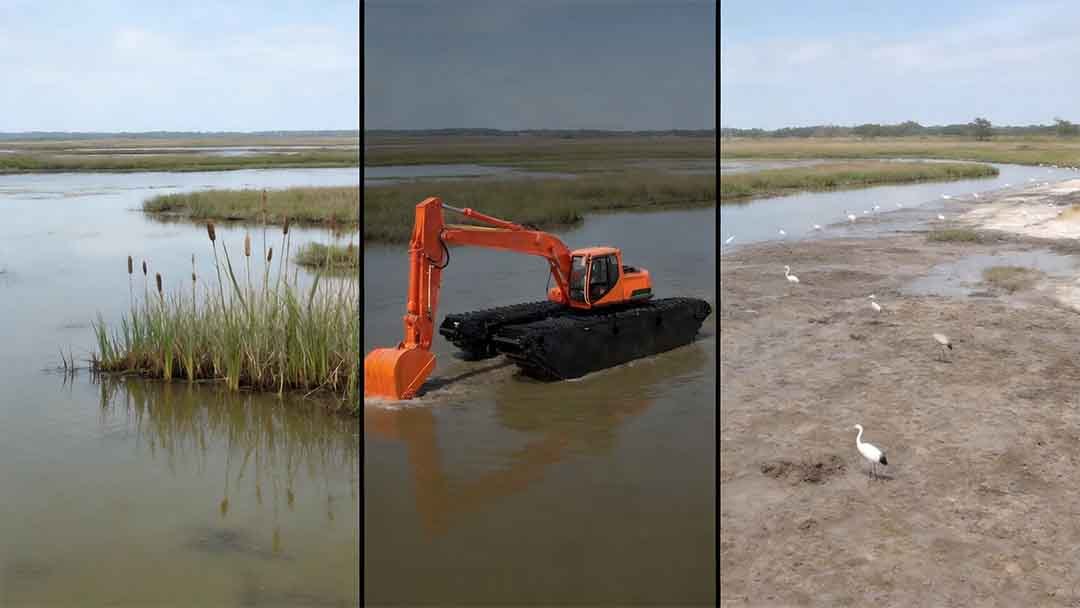
Why Wetland Construction Requires Amphibious Excavators
Wetlands are among the most difficult environments for heavy equipment operations. Traditional machinery often struggles due to:
- Saturated soil conditions
- Low bearing capacity terrain
- Standing water
- Muddy access routes
- Environmental protection requirements
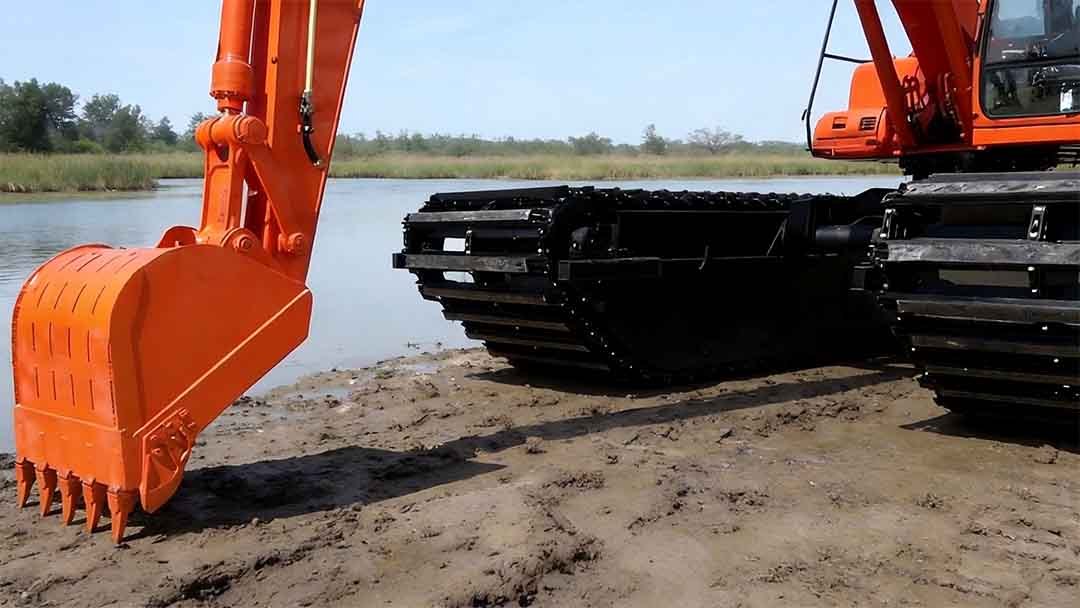
A wetland excavator is specifically engineered to address these challenges. Its wide amphibious pontoons distribute machine weight across a larger surface area, significantly reducing ground pressure. This allows the excavator to float or travel safely over terrain that would be inaccessible to conventional machines.
As a result, contractors can continue operations in locations that would otherwise require expensive temporary access roads or floating platforms.
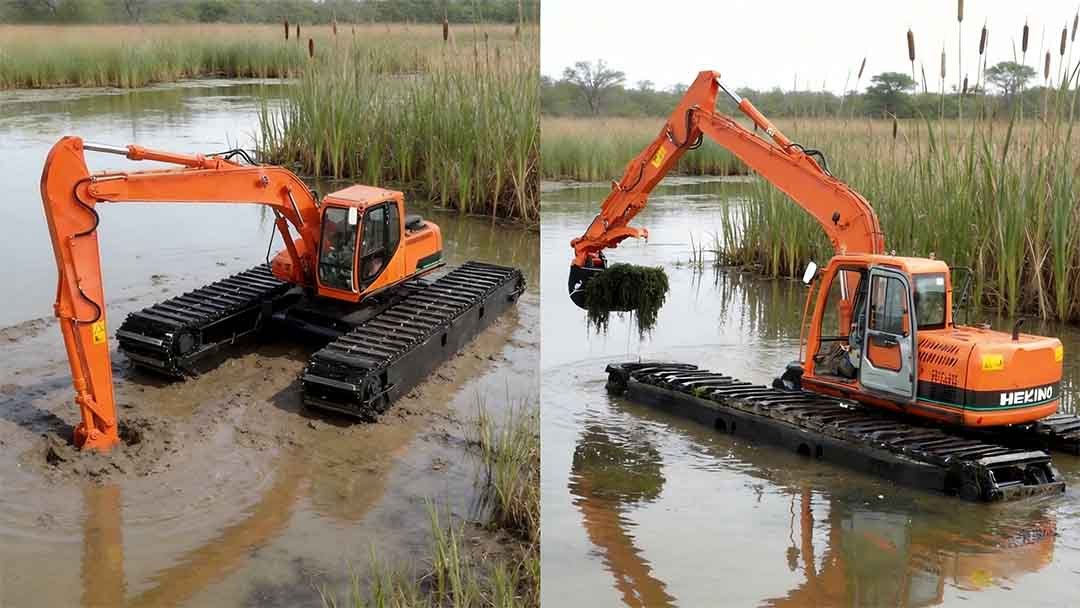
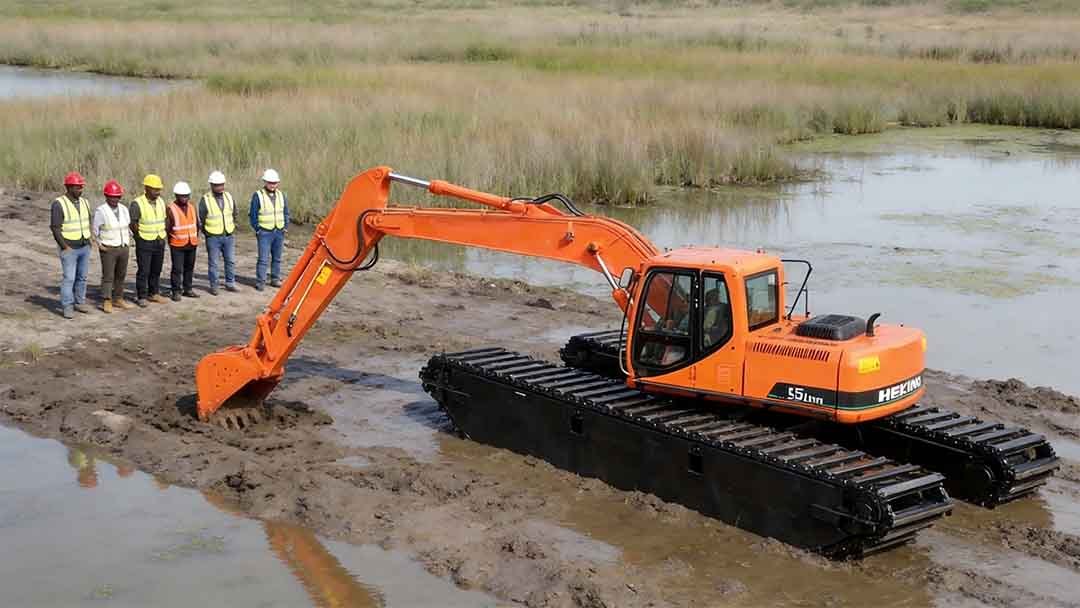
Key Applications of a 15 Ton Amphibious Excavator
Wetland Restoration Projects
Environmental agencies and contractors frequently use marsh excavators for restoring damaged wetlands. Tasks include:
- Rebuilding natural waterways
- Removing invasive vegetation
- Creating wildlife habitats
- Improving water circulation
- Reconstructing ecological landscapes
The low ground pressure design minimizes environmental impact while maintaining operational efficiency.
River Dredging Operations
A 15 ton amphibious excavator is highly effective for small and medium river dredging projects. Operators can remove sediment, improve water flow, and maintain navigational channels without requiring costly floating dredging equipment.
Flood Control Infrastructure
Flood prevention projects often involve working in waterlogged environments. Amphibious excavators can assist with:
- Canal maintenance
- Drainage system construction
- Levee reinforcement
- Retention pond excavation
- Waterway expansion
Utility and Pipeline Installation
Oil, gas, water, and telecommunications projects frequently cross marshes and wetlands. Amphibious excavators provide access for trenching and excavation in areas where conventional machinery cannot operate efficiently.
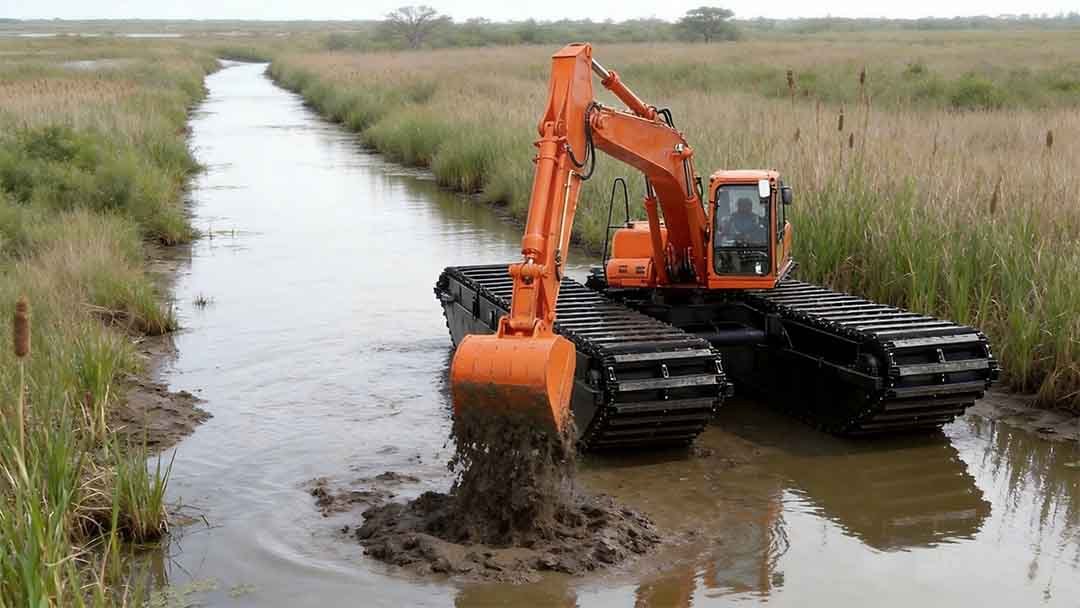
Advantages of a 15 Ton Swamp Excavator
Excellent Flotation Performance
The amphibious pontoon system provides strong buoyancy and stability, allowing the machine to work in shallow water and swamp environments.
Low Ground Pressure
Wide pontoons reduce pressure on the ground surface, helping prevent sinking and minimizing environmental damage.
Improved Accessibility
Operators can reach remote wetland locations without constructing expensive temporary roads.
Reduced Project Costs
Compared with barges and temporary work platforms, amphibious excavators often reduce transportation and operational expenses.
Higher Productivity
The ability to move directly between land and water enables continuous operation with fewer interruptions.
Environmental Compliance
Lower disturbance levels help contractors meet environmental regulations for protected wetland areas.
Important Features Buyers Should Evaluate
When selecting a 15 ton wetland excavator, buyers should consider several critical factors.
Pontoon Design
The pontoon system determines flotation capability, stability, and overall machine performance in swamp environments.
Hydraulic Efficiency
Advanced hydraulic systems improve digging force, cycle times, and fuel efficiency.
Structural Durability
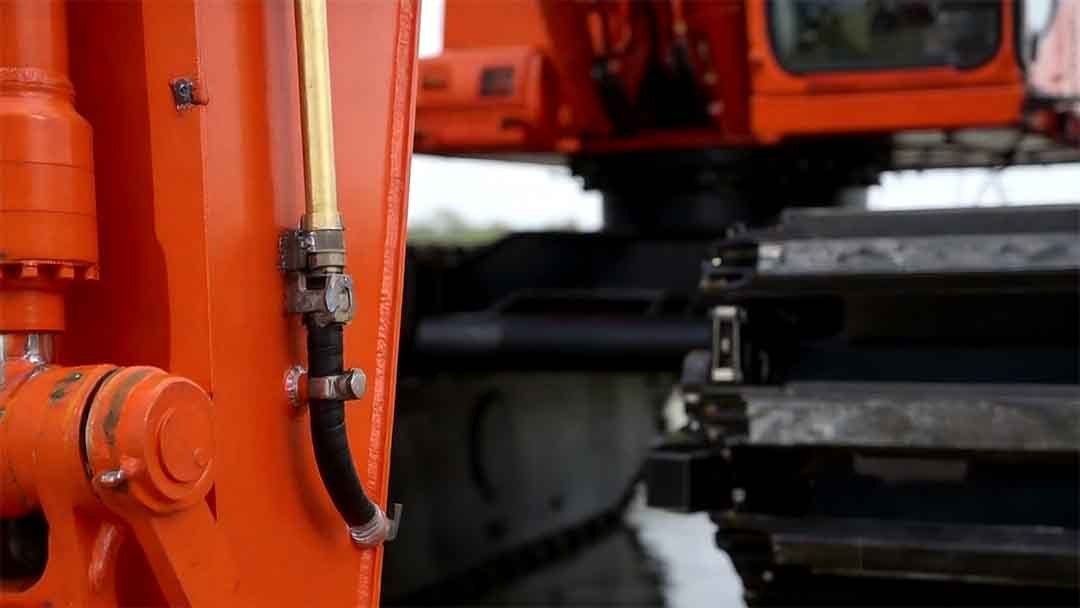
Wetland environments are highly corrosive and abrasive. Reinforced structures and high-quality materials extend service life.
Spare Parts Availability
Reliable global parts support minimizes downtime and improves equipment lifecycle value.
Manufacturer Experience
Choosing an experienced amphibious excavator manufacturer ensures better engineering, production quality, and after-sales support.
Why Global Contractors Choose Amphibious Excavators
Demand for amphibious excavators continues to grow across Europe, the Middle East, Southeast Asia, Africa, and South America. Governments and contractors increasingly invest in wetland restoration, coastal protection, flood management, and environmental infrastructure projects.
Compared with traditional excavation methods, amphibious excavators offer:
- Faster project completion
- Improved site accessibility
- Lower operational costs
- Enhanced worker safety
- Reduced environmental impact
For organizations involved in water-related engineering projects, a 15 ton amphibious excavator provides a versatile and dependable solution.
A 15 ton amphibious excavator is one of the most practical machines available for wetland construction, marsh restoration, river dredging, and soft-ground infrastructure projects. Its ability to travel across waterlogged terrain while maintaining productivity makes it an essential investment for contractors working in challenging environments.
As environmental protection and water management projects continue expanding worldwide, the demand for reliable swamp excavators and marsh excavators will remain strong. Selecting a high-quality amphibious excavator ensures long-term performance, operational efficiency, and successful project execution.
FAQ
Q1: What is a 15 ton amphibious excavator used for?
A: It is commonly used for wetland construction, river dredging, marsh restoration, flood control, environmental protection, and soft ground excavation projects.
Q2: How does an amphibious excavator work in wetlands?
A: The machine uses buoyant pontoons and low ground pressure technology to travel safely across soft ground, marshes, and shallow water areas.
Q3: Can a swamp excavator operate in water?
A: Yes. Amphibious excavators are specifically designed to operate in shallow water, wetlands, marshes, and flooded environments.
Q4: Why is a wetland excavator better than a standard excavator?
A: A wetland excavator offers greater flotation, lower ground pressure, and improved mobility in soft terrain where conventional excavators may sink or become stuck.
Q5: What industries use marsh excavators?
A: Industries include environmental restoration, river dredging, flood control, water management, oil and gas infrastructure, coastal engineering, and municipal construction.
Q6: Can amphibious excavators be customized?
A: Yes. Manufacturers often provide optional pontoons, spuds, long-reach booms, dredging attachments, and customized configurations for specific projects.
Q7: Are amphibious excavators suitable for Europe and the Middle East?
A: Yes. They are widely used in wetland restoration, coastal development, flood prevention, and water infrastructure projects throughout both regions.
Q8: How do I choose the right amphibious excavator size?
A: Selection depends on project requirements, working depth, terrain conditions, attachment needs, transportation limitations, and productivity targets.